How to Use MQTT with MOBITEK Q25 4G Modem

MOBITEK Q25 SETTINGS — MOSQUITTO MQTT SERVER

  1. Q25’s Setting:-
    • Remote Host: 175.*.*.* / *.dyndns.*
    • Remote Port: 1883
    • User Name: ***
    • User Password: ***
    • Subscribe Topic: Test
    • Publish Topic: Test
  2. Mosquitto version 2.0.14‘s Settings:-
    • In “C:\Program Files\mosquitto\mosquitto.conf”:
      • find “Listeners” and add
        listener 1883 0.0.0.0
      • find “Security” and add
        allow_anonymous true
    • Stop “Mosquitto Broker” in “Services”
    • Open command prompt as administrator and enter:
      • cd “C:\Program Files\mosquitto”
      • mosquitto -v -c mosquitto.conf
    • Add port forwarding in router:
      • Service Type = TCP
      • External Port = 1883
      • Internal IP = (Public IP of router)
      • Internal Port = 1883
      • Protocol = ALL


AT COMMANDS — MOSQUITTO MQTT SERVER

DESCRIPTION AT COMMAND

Configure Parameters of a TCP/IP Context

AT+QICSGP=<contextID>,<context_type>,<APN>,<username>,<password>, <authentication>

AT+QICSGP=1,1,”yoodo”,””,””,1
OK

Activate a PDP Context

AT+QIACT=<contextID>

AT+QIACT=1
OK

AT+QIACT?
+QIACT: 1,1,1,”10.*.*.*”

Configure receiving mode when data is received from server

AT+QMTCFG=“recv/mode”,<client_idx>,<msg_recv_mode>, <msg_len_enable>

AT+QMTCFG=”recv/mode”,0
+QMTCFG: “recv/mode”,0,0
OK

Open a network for MQTT client

AT+QMTOPEN=<client_idx>,“<host_name>”,<port>

AT+QMTOPEN=0,”175.*.*.*”,1883
OK
+QMTOPEN: 0,0

AT+QMTOPEN?

+QMTOPEN: 0,”175.*.*.*”,1883
OK

Connect a client to MQTT Server

AT+QMTCONN=<client_idx>,“<clientID>”,“<username>”,“<password>”

AT+QMTCONN=0,”Q25″,””,””
OK
+QMTCONN: 0,0,0

AT+QMTCONN?

+QMTCONN: 0,3
OK

Publish messages

AT+QMTPUBEX=<client_idx>,<msgID>,<qos>,<retain>,“<topic>”,<msg_length>

AT+QMTPUBEX=0,0,0,0, “Test”,30
> Q25 publish from Hyper Terminal
OK
+QMTPUBEX: 0,0,0

Subscribe to Topics

AT+QMTSUB=<client_idx>,<msgID>,“<topic1>”,<qos1>[,“<topic2>”,<qos2>…]

AT+QMTSUB=0,1, “Test”,0
OK
+QMTSUB: 0,1,0,0
+QMTRECV: 0,0, “Test”, “Publish from MQTT Explorer in HPC-8300”

Disconnect a client to MQTT Server

AT+QMTDISC=<client_idx>

AT+QMTDISC=0
OK

Close a network for MQTT client

AT+QMTCLOSE=<client_idx>

AT+QMTCLOSE=0
OK

Deactivate a PDP Context

AT+QIDEACT=<contextID>

AT+QIDEACT=1
OK


MOBITEK Q25 SETTINGS — FAVORIOT

  • Remote Host: mqtt.favoriot.com
  • Remote Port: 1883
  • User Name: ***
  • User Password: ***
  • Subscribe Topic: XYoUfrDZ8mzvHNKJAtkLIvVBOw23dGnb/v2/streams/status
  • Publish Topic: XYoUfrDZ8mzvHNKJAtkLIvVBOw23dGnb/v2/streams


AT COMMANDS — FAVORIOT

DESCRIPTION AT COMMAND

Configure Parameters of a TCP/IP Context

AT+QICSGP=<contextID>,<context_type>,<APN>,<username>,<password>, <authentication>

Parameter:

  • <contextID> – Integer type. The context ID. The range is 1-16.
  • <context_type> – Integer type. The protocol type:
    • 1 – IPV4
    • 2 – IPV4V6
  • <APN> – String type. The access point name.
  • <username> – String type. The username.
  • <password> – String type. The password.
  • <authentication> – Integer type. The authentication methods:
    • 0 – NONE
    • 1 – PAP
    • 2 – CHAP
    • 3 – PAP or CHAP
AT+QICSGP=1,1,”yoodo”,””,””,1
OK

Activate a PDP Context

AT+QIACT=<contextID>

AT+QIACT=1

AT+QIACT?
+QIACT: 1,1,1,”10.*.*.*”

Configure receiving mode when data is received from server

AT+QMTCFG=“recv/mode”,<client_idx>,<msg_recv_mode>, <msg_len_enable>

Parameter:

  • <client_idx> – Integer type. MQTT client identifier. The range is 0-5.
  • <msg_recv_mode> – Integer type. Configure the MQTT message receiving mode:
    • 0 – MQTT message received from server will be contained in URC.
    • 1 – MQTT message received from server will not be contained in URC.
  • <msg_len_enable>
    • 0 – Length of MQTT message received from server will not be contained in URC.
    • 1 – Length of MQTT message received from server will be contained in URC.
AT+QMTCFG=“recv/mode”,0,0,1

+QMTCFG: “recv/mode”,0,1

OK

Open a network for MQTT client

AT+QMTOPEN=<client_idx>,“<host_name>”,<port>

Parameter:

  • <client_idx> – Integer type. MQTT client identifier. The range is 0-5.
  • <host_name> – String type. The address of the server. It could be an IP address or a domain name. The maximum size is 100 bytes.
  • <port> – Integer type. The port of the server. The range is 1-65535.
AT+QMTOPEN=0,”mqtt.favoriot.com”,1883
OK
+QMTOPEN: 0,0

AT+QMTOPEN?

+QMTOPEN: 0,”mqtt.favoriot.com”,1883
OK

Connect a client to MQTT Server

AT+QMTCONN=<client_idx>,“<clientID>”,“<username>”,“<password>”

Parameter:

  • <client_idx> – Integer type. MQTT client identifier. The range is 0-5.
  • <clientID> – String type. The client identifier string.
  • <username> – String type. User name of the client. It can be used for authentication.
  • <password> – String type. Password corresponding to the user name of the client. It can be used for authentication.
AT+QMTCONN=0,”Q25″, “***”, “***”
OK
+QMTCONN: 0,0,0

Publish messages

AT+QMTPUBEX=<client_idx>,<msgID>,<qos>,<retain>,“<topic>”,<msg_length>

Parameter:

  • <client_idx> – Integer type. MQTT client identifier. The range is 0-5.
  • <msgID> – Integer type. Message identifier of packet. The range is 0-65535. It will be 0 only
    when <qos>=0.
  • <qos> – Integer type. The QoS level at which the client wants to publish the messages.
    • 0 – At most once
    • 1 – At least once
    • 2 – Exactly once
  • <retain> – Integer type. Whether or not the server will retain the message after it has been
    delivered to the current subscribers.

    • 0 – The server will not retain the message after it has been delivered to the
      current subscribers
    • 1 – The server will retain the message after it has been delivered to the current
      subscribers
  • <topic> – String type. Topic that needs to be published.
  • <msg_length> – Integer type. Length of message to be published.
AT+QMTPUBEX=0,0,0,0, “XYoUfrDZ8mzvHNKJAtkLIvVBOw23dGnb/v2/streams”,30
> Q25 send from Hyper Terminal
OK
+QMTPUBEX: 0,0,0

Subscribe to Topics

AT+QMTSUB=<client_idx>,<msgID>,“<topic1>”,<qos1>[,“<topic2>”,<qos2>…]

Parameter:

  • <client_idx> – Integer type. MQTT client identifier. The range is 0-5.
  • <msgID> – Integer type. Message identifier of packet. The range is 1-65535.
  • <topic> – String type. Topic that the client wants to subscribe to or unsubscribe from.
  • <qos> – Integer type. The QoS level at which the client wants to publish the messages:
    • 0 – At most once
    • 1 – At least once
    • 2 – Exactly once
AT+QMTSUB=0,0, “XYoUfrDZ8mzvHNKJAtkLIvVBOw23dGnb/v2/streams”,0
OK
+QMTSUB: 0,0,0,0
+QMTRECV: 0,0, “XYoUfrDZ8mzvHNKJAtkLIvVBOw23dGnb/v2/streams”,38, “Publish from MQTT Explorer in HPC-8300″

+QMTRECV: 0,0,”XYoUfrDZ8mzvHNKJAtkLIvVBOw23dGnb/v2/streams”,46, “Publish from MQTT Explorer in Taufiq’s desktop”

Close a network for MQTT client

AT+QMTCLOSE=<client_idx>

Parameter:

  • <client_idx> – Integer type. MQTT client identifier. The range is 0-5.
AT+QMTCLOSE=0

OK


How to Change the Baud Rate of MOBITEK Q25 4G Modem

  1. By default, the baud rate for MOBITEK Q25 is “115200”.
  2. To change the baud rate of MOBITEK Q25 to another value and save it as default, MOBITEK Q25 needs to be connected to the PC using serial cable.
  3. Open Hyper Terminal, connect MOBITEK Q25 using “COM1” and set the baud rate to “115200”.
  4. Type “AT” in Hyper Terminal. If the response is “OK” then MOBITEK Q25 is successfully connected. If nothing can be entered in Hyper Terminal , then unplug and replug the serial cable to the serial port of the PC until “OK” is shown.
  5. In this example, the baud rate will be changed to “9600”. To do this, type “AT+IPR=9600;&W” in Hyper Terminal.

  6. At this point, nothing can be typed in Hyper Terminal because the baud rate setting has been changed from “115200” to “9600”.
  7. Disconnect MOBITEK Q25 from Hyper Terminal.
  8. Go to “File” -> “Properties”. In “Properties”, click on “Configure”. In “Port Settings”, change the baud rate to “9600”.
  9. Connect the MOBITEK Q25 to Hyper Terminal again. Enter “AT” and query the baud rate command. The baud rate should be changed to “9600”.

How to Build a Release Version of VB.Net Application and How to Publish VB.Net Application

Conclusion

  1. Using Microsoft Visual Basic 2008 Express to build (publish) an installer (setup.exe), there are many limitations:-
    1. unable to specify the path to install files; by default it install the exe file into “..\AppData\Local\Apps” folder
    2. no “Uninstall” shortcut/icon
  2. Therefore, we will not use Microsoft Visual Basic 2008 Express to build an installer file (setup.exe).

How to Build a Release Version

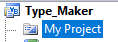
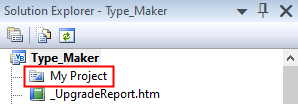
  1. Double-click on”My Project”.
  2. Go to “Compile” and set the “Build output path”.
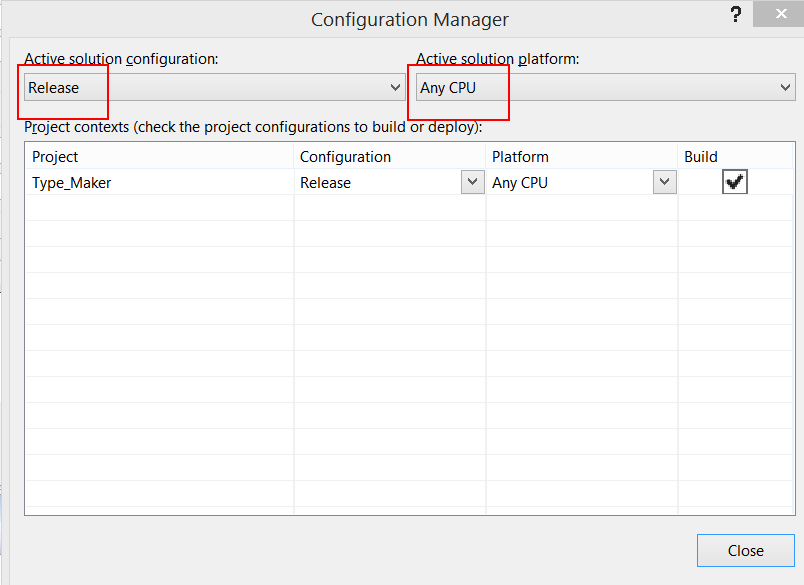
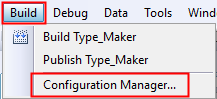
  3. Goto “Build -> Configuration Manager”.
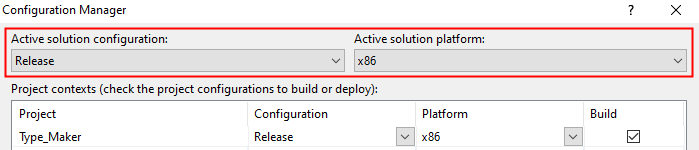
  4. Select “Release” and “Any CPU”.
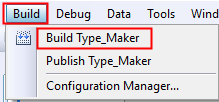
  5. Goto “Build -> Build Type_Maker”.
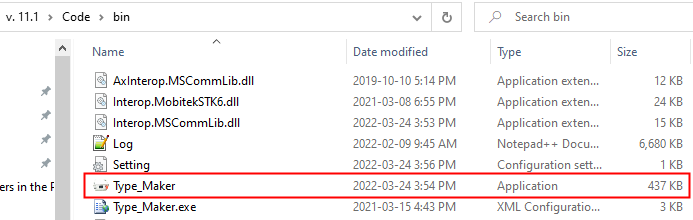
  6. The build or release folder is located at the path that has been set in the “Build output path” which is “bin\”.
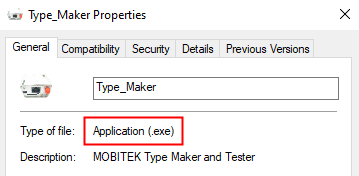
  7. The build application is “Type_Maker.exe”.


How to Publish VB.Net Application

Publish means to create a set-up file (installer).

  1. Go to “Build” -> “Configuration Manager”.
  2. Specify the “Active solution configuration” and “Active solution platform”. Close the Configuration Manager.
  3. Go to “Build” and “Build Type_Maker”.
  4. Go to “Solution Explorer” and double-click on “My Project”.
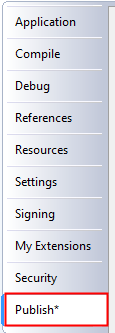
  5. Click “Publish” tab.
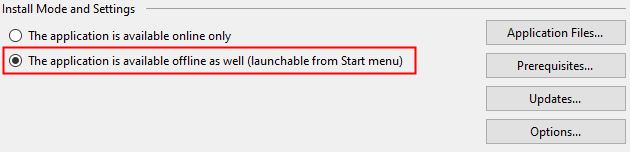
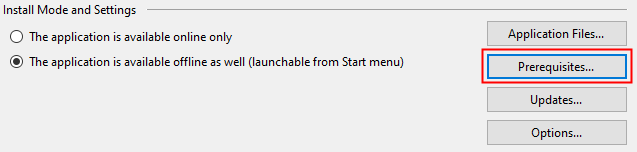
  6. In “Install Mode and Settings”, select “The application is available offline as well (launchable from Start menu)”.
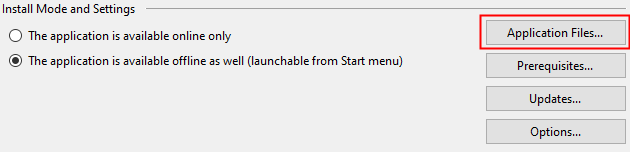
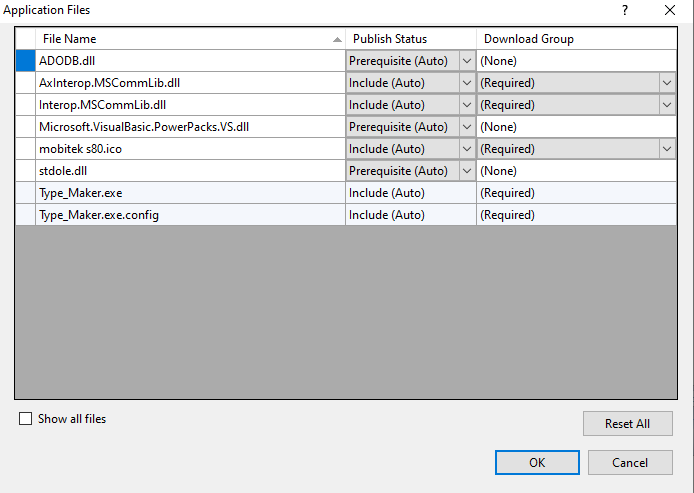
  7. Click “Application Files…” and set the list of files that will be included in the installation.
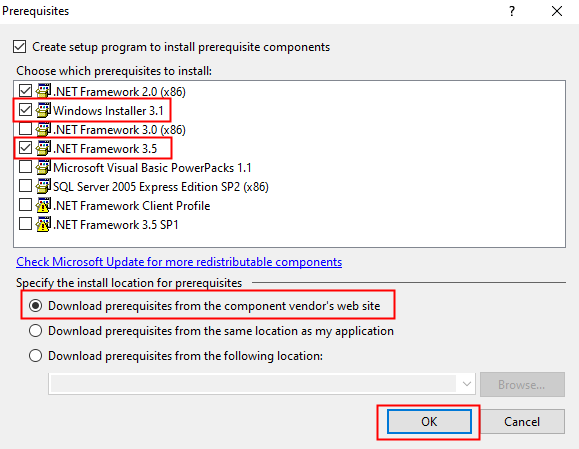
  8. Click “Prerequisites…” and set as below:
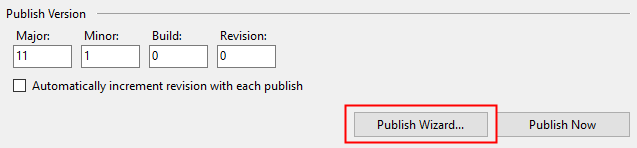
  9. Click “Publish Wizard” button.
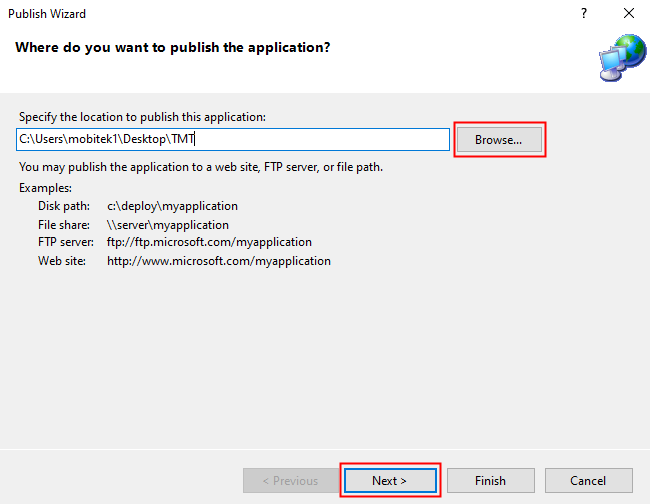
  10. Specify the location to publish the application. Click “Next”.
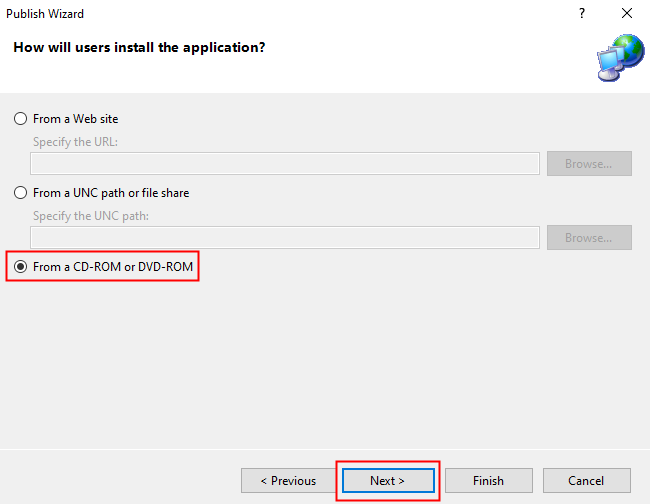
  11. Select “From a CD-ROM or DVD-ROM”. Click “Next”.
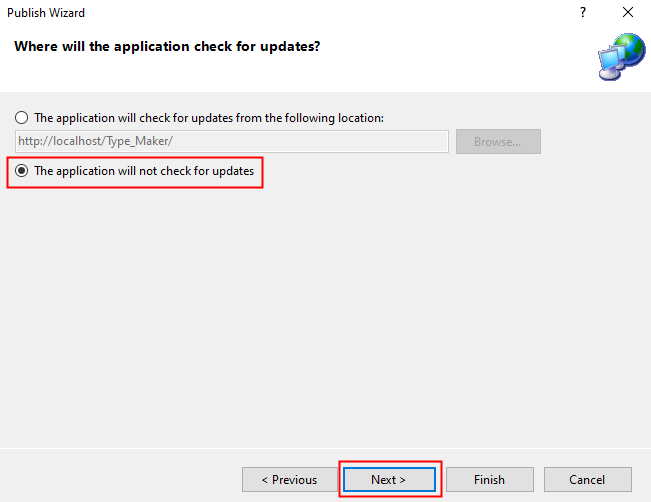
  12. Select “The application will not check for updates” and click “Next”.
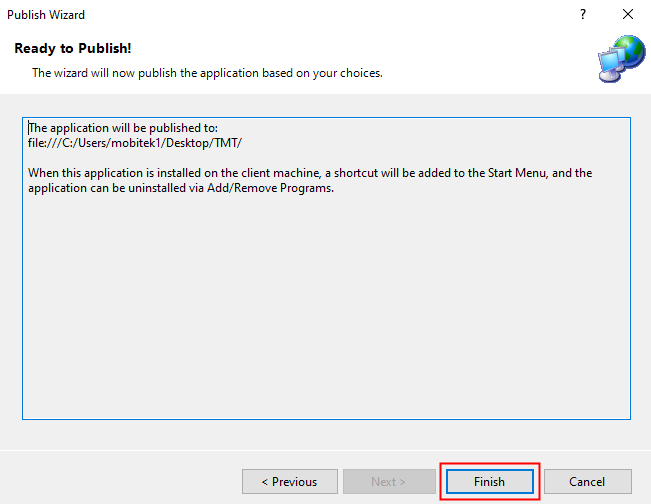
  13. Click “Finish” to publish the application.
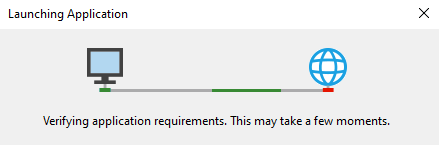
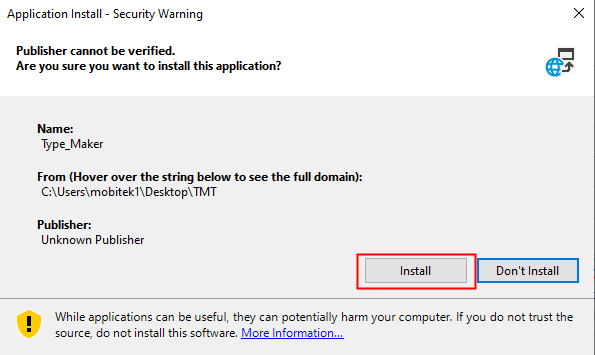
  14. After the publish completed, the saved folder will be opened automatically. Double-click on the “setup.exe” file to install the application and click “Install”.

Different Grid Type in PHPRunner

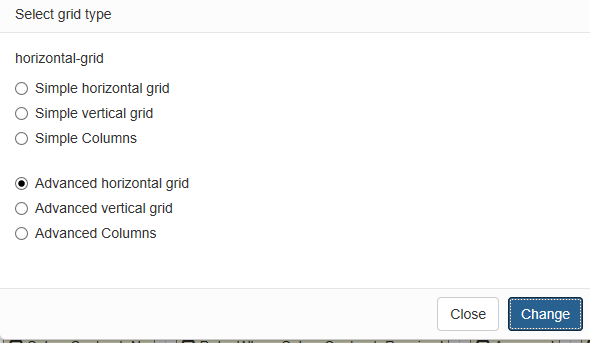
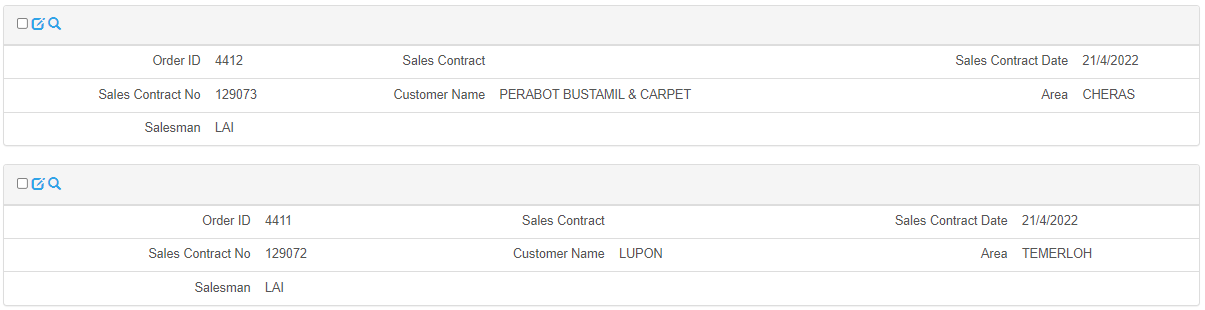
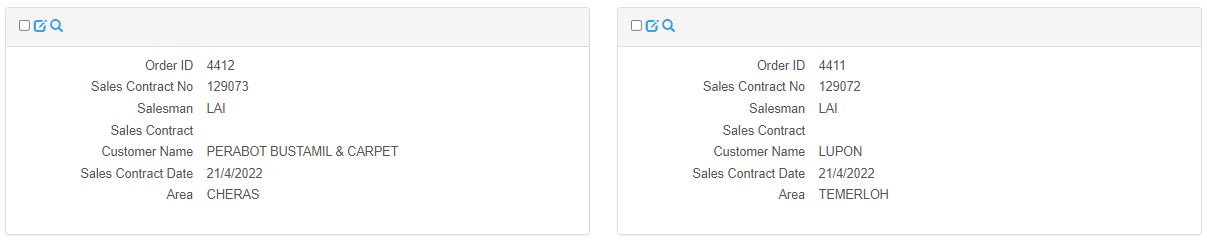
  1. The difference of grid type as shown in table below.
  2. There is no difference between “advance” and “simple” in terms of web UI. The difference is in the “Designer” tab of PHPRunner.
    GRID TYPE

    WEB UI
    horizontal grid
    vertical grid
    columns

Renaming Column Name will Affect PHPRunner

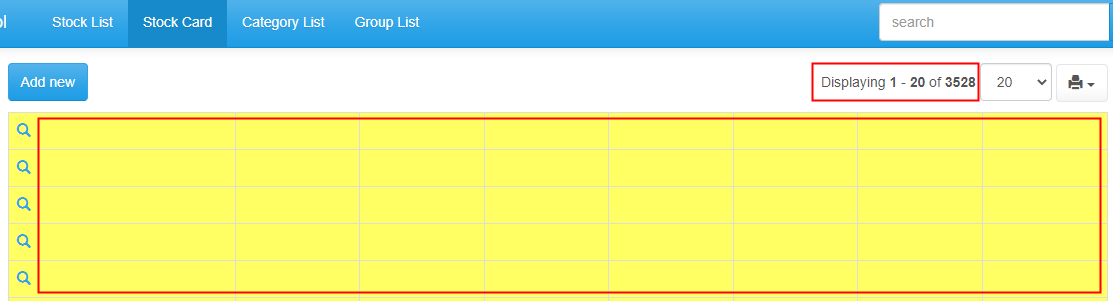
If column name is renamed via PHPMyAdmin or PHPRunner, the records will be missing from the list page (tellow table) despite there are 3528 records:-


The following solutions DOES NOT work:-

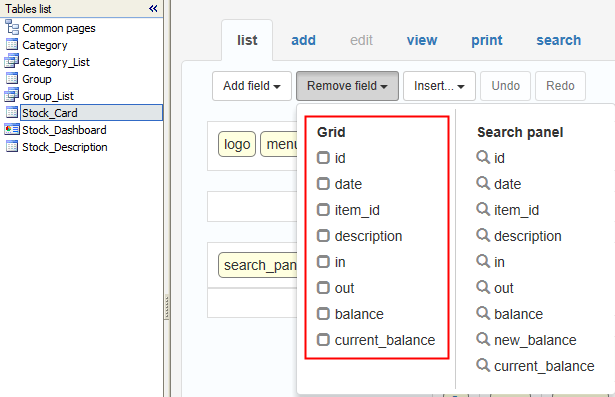
  1. Remove all fields in stock card’s list page and add them all again.
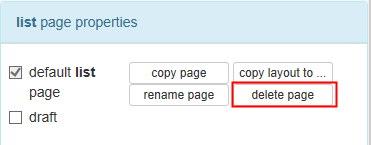
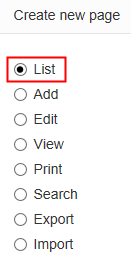
  2. Delete current list page and add a new list page.
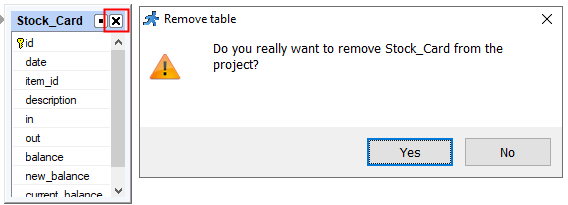
  3. Remove the table and add it again.


The only solution is to re-build the PHP project from scratch.

The possible root cause is the PHP project was built using old version (e.g. version 10.3) or trial version of PHPRunner. Then column name is renamed in the new version of PHPRunner, e.g. version 10.4.

SOP of Resetting Windows 10 for Acer Nitro 5

Resetting also refers to reinstalling.

  1. There are few ways to reset:-
    1. via cloud
    2. using local disk
    3. using recovery media/drive which is a USB thumb drive created via Windows 10
    4. goto https://www.microsoft.com/en-au/software-download/windows10 to create Windows 10 installation media; download “MediaCreationTool21H2.exe”, run it, downlaod download a Windows 10 installer into USB thumb drive
  2. Acer Nitro 5 fail to reset using method (a), (b), (c),  so need to use method (d).
  3. After Windows 10 is installed, avoid using Microsoft account to log into Windows.
  4. Rename PC, joing “MOBITEK” workgroup.
  5. Map “U:\” to “Usefule Software” network drive.
  6. Install the 3 Acer applications:-
    1. Care Center
    2. Nitrosense
    3. Quick Access
  7. Create a restore point.
  8. Run Windows Update to update all updates.
  9. Create a restore point if necessary.
  10. Reinstall applications and drivers:-
    • AnyDesk v. 5.3;
    • Classic Shell;
    • FreeCommander;
    • Intel via Intel-Driver-Support-Assistant (create a restore point after this);
    • from Acer Support
    • NVIDIA via GeForce Experience (create a restore point after this);
  11. Run System Image to create a system image of:-
    • newly installed Windows 10;
    • drivers installed;
    • essential software installed; and
    • Windows updated.
  12. Reinstall software as per “Remove Applications.html” generatged by Geek Uninstaller.
  13. Optional:-
    • create a recovery drive/media using USB thumb drive;
    • create a password reset key using USB thumb drive;